
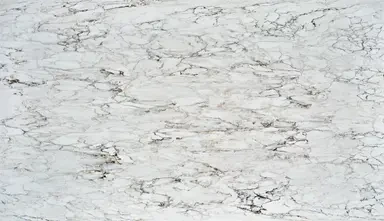
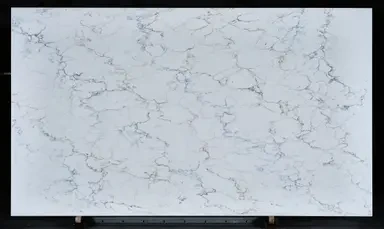


Why choose engineered quartz?
Quartz countertops combine quartz minerals with binders and pigments. Manufactured patterns can offer a more consistent appearance than many natural stone slabs. Quartz is generally nonporous and does not need routine sealing; follow the care instructions for the product you select.
- Compare solid colors, subtle patterns and marble-inspired veining.
- Coordinate samples with cabinet finishes in the same light.
- Confirm the selected color, finish, thickness and availability before fabrication.
Quartz colors and cabinet combinations
White and light quartz can brighten a kitchen with dark cabinetry. Warm veining can complement wood finishes, while subtle grey patterns can tie together a white shaker kitchen. Samples help narrow the choice, but view the larger pattern before deciding.
Plan islands, overhangs and waterfall ends early
A large island requires more planning than a square-foot estimate alone. Slab dimensions, vein direction, seams, seating overhangs, cabinet support and installation access all affect the result. A waterfall end continues the countertop vertically down the side of the island; discuss this before material selection.
- Bring sink and cooktop model information.
- Discuss whether an uninterrupted island top is feasible with the selected slab.
- Confirm support and seam locations with the team.
From measurement to installation
Our local team confirms project dimensions, prepares cutouts and edges, and fabricates the surface for fitting. Cabinet readiness and the sink and appliance specifications help determine when final measurements can be taken.
Everyday quartz care
Use the manufacturer’s recommended cleaner and a soft cloth. Wipe spills promptly, use cutting boards, and protect the surface from hot cookware with trivets. Avoid abrasive products or strong chemicals unless the manufacturer specifically approves them.